The risk aversion
With a staggering clinical failure rate of >90%, it is not a surprise that companies wait to see the proof of efficacy from clinical trials.
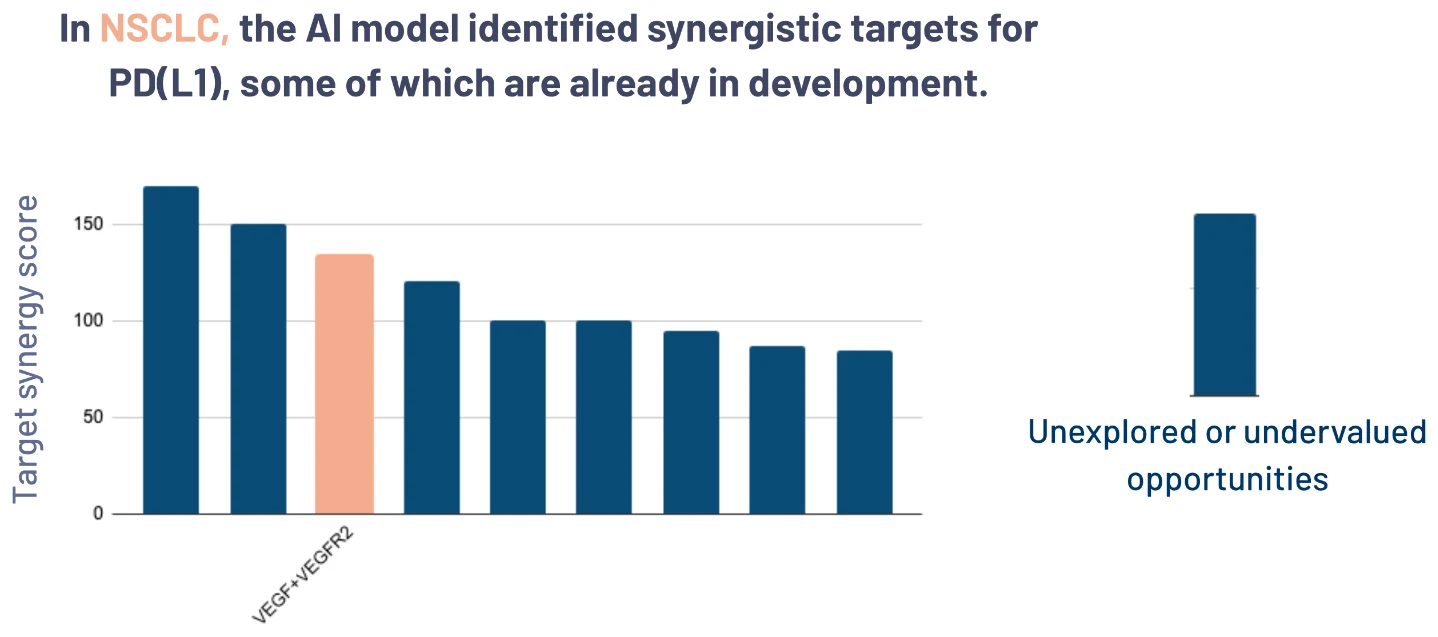
In 2025 BMS paid BioNTech $3.5B upfront for BNT327, a PD-L1 × VEGF bispecific; BioNTech had paid $55M upfront for it 20 months earlier. The 15× premium bought the confidence of Phase II data. Patient data shows the VEGF synergy with PD-L1, and suggests even more powerful combinations may exist.
The PDL1-VEGF story · by Pawel Zawadzki, PhD
BioNTech paid only $55M upfront for BNT327 (previously PM8002) only 20 months earlier! A whopping 15× increase in value.
This premium was paid for the confidence provided by the Phase II clinical trial, which proved the efficacy of the product.
A deeper, AI-augmented analysis of patient data uncovered a crucial insight that clearly was not available to BMS earlier:
With a staggering clinical failure rate of >90%, it is not a surprise that companies wait to see the proof of efficacy from clinical trials.
Data, compute, and fancy algorithms are here. Do expect from your AI team/partner tangible results like predicting blockbuster potential before phase II data is available.
Assess commercial opportunity and probability of success before the program is validated by phase II data.
Increase the success rate of investments by grounding them in human data, not preclinical models.
It is possible to use patient data that are not coming from your clinical trial to evaluate your drug program.
Medicines intended to work in patients should be developed with patient data in mind.