The flaw of preclinical models
Preclinical models simply do not allow for the observation of the true complexity of real tumors, often missing important factors like intrinsic resistance that dramatically reduce clinical response rates.
More than $1B went into MDM2 inhibitors, with minimal benefit for patients. Patient data shows two resistance mechanisms, via MDM4 and hotspot TP53 mutations, already present before treatment. Data from untreated patients can reveal such mechanisms before the first patient is dosed.
The MDM2 case · by Pawel Zawadzki, PhD
Despite massive investment from multiple companies, clinical trials for MDM2 inhibitors have repeatedly shown minimal benefits for cancer patients.
Strong data from preclinical models was actually validated by patient data. What was missed by the preclinical models was a preexisting resistance that dramatically reduced the response rates.
Patient data uncovered two resistance mechanisms present in patients before the treatment even began:
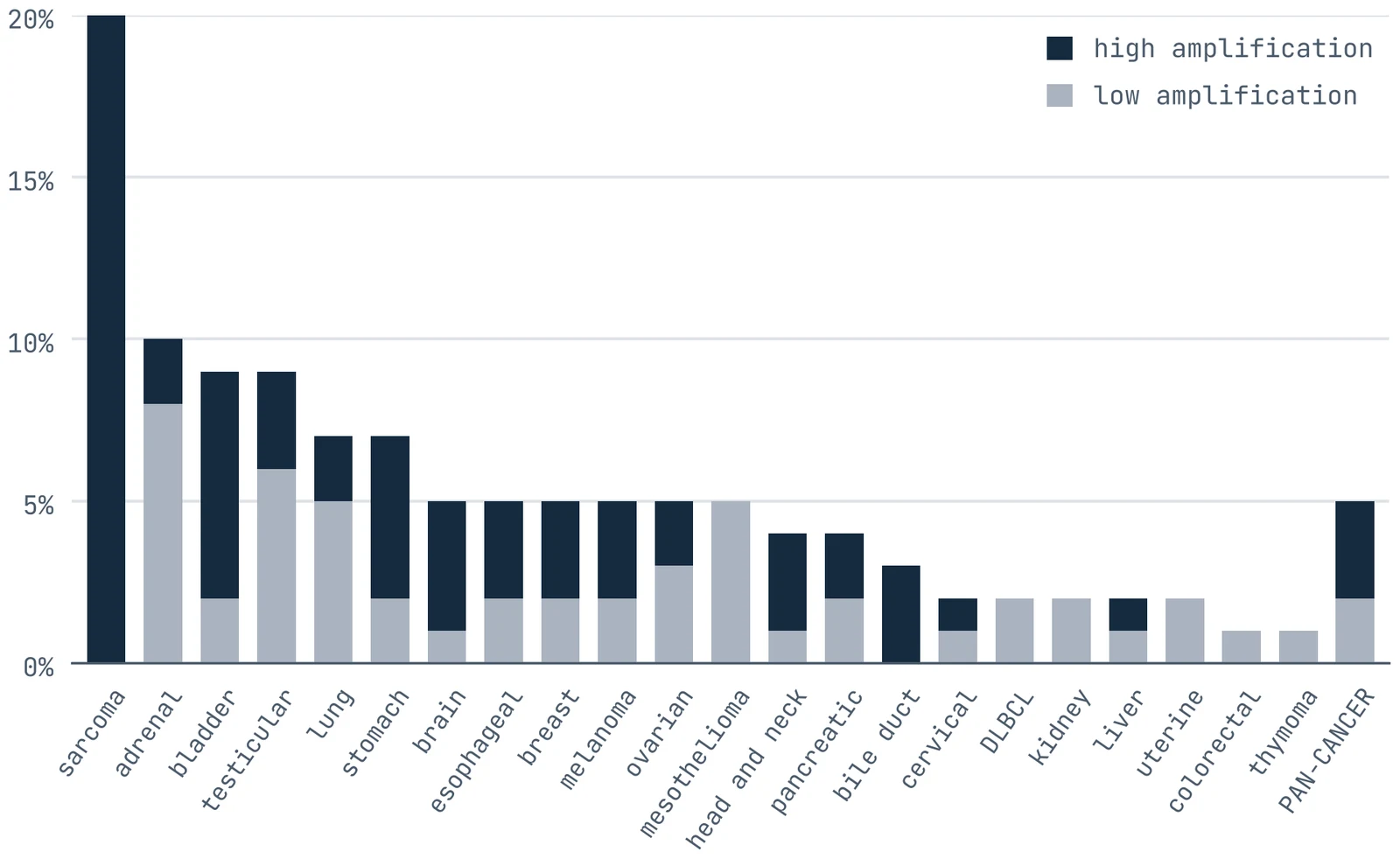
Preclinical models simply do not allow for the observation of the true complexity of real tumors, often missing important factors like intrinsic resistance that dramatically reduce clinical response rates.
Data from patients not treated with your inhibitor can reveal the resistance mechanisms. Yes, you will need a sophisticated computational approach, but it can be done before you dose your first patient.
The models are important, but it is equally important to remember what they do not see.
Use patient data to assess PoS and also the commercial potential. A correct patient selection strategy could save your drug program.
There is a false assumption out there that to discover resistance, you need to run a trial! Not really, as treatment-naive patient data allow detection of the majority of intrinsic resistance mechanisms.
Medicines intended to work in patients should be developed with patient data in mind.